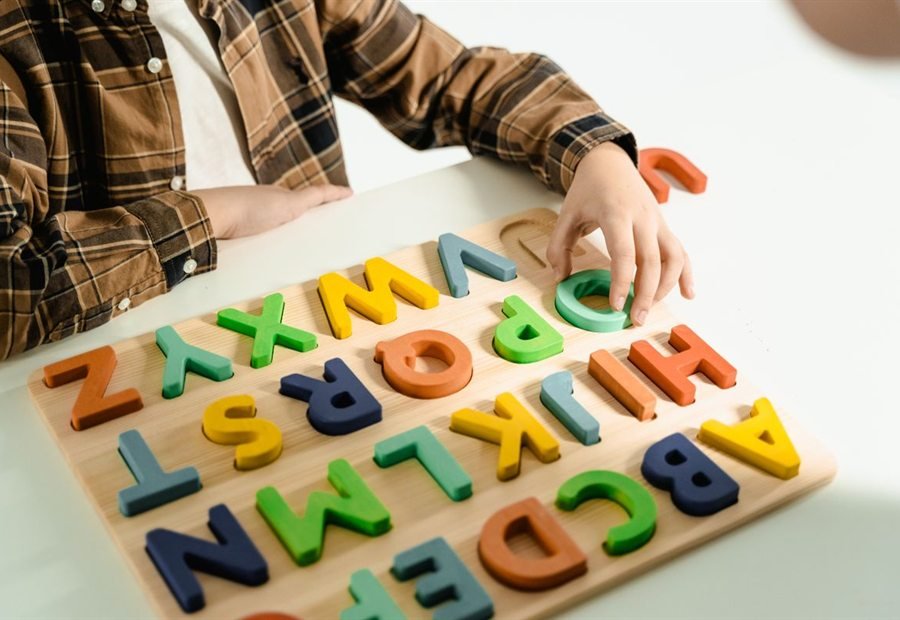
A confident year before big school
Pre-K is the year children stop being led and start leading. They choose their own projects, write their own labels and take real responsibility for the classroom. Our job is to make that feel exciting rather than heavy.
Mornings follow a predictable rhythm — greeting circle, focused learning, then a long stretch of child-led work. Afternoons are for the garden, the studio and the library. Nothing is rushed, and nothing is compulsory beyond kindness.
What your child will learn
- Phonics and early reading — letter sounds, blending and the first fifty sight words.
- Writing for a purpose — labels, lists, cards and captions for their own photographs.
- Numbers to twenty — counting, comparing, patterns and simple addition through games.
- Self-management — dressing, tidying, asking for help and resolving small disagreements.
A typical day
| Time | Activity | Where |
|---|---|---|
| 8:30 – 9:00 | Arrival, free choice & greeting circle | Classroom |
| 9:00 – 9:45 | Phonics and shared reading | Classroom |
| 9:45 – 10:15 | Snack and outdoor play | Garden |
| 10:15 – 11:15 | Project work & maths games | Classroom |
| 11:15 – 12:00 | Studio: art, music or discovery lab | Studio |
| 12:00 – 13:00 | Lunch, story and quiet time | Dining room |
| 13:00 – 13:30 | Review circle and home time | Classroom |
Common questions
If they are four by September and comfortable spending a morning away from home, yes. We assess readiness during the trial day rather than through any kind of test.
None in the formal sense. We send a weekly reading book and a suggestion for something to notice at home — a shape hunt, a favourite rhyme, a walk to count front doors.
Photos and short notes go into the parent app daily, with a written summary each term and two face-to-face meetings a year. You can request a chat at any time.